Installed renewable capacity does not tell a buyer how much certified hydrogen, ammonia or methanol a project can deliver. The project needs a coherent design from resource through conversion to delivery and payment.
Infrastructure can be decisive. It is not the only possible bottleneck: the 2026 IEA review also identifies cost, uncertain demand and policy implementation as continuing constraints.1 Each project needs its own assessment of what is actually holding it back.
Start with the right material balance
Electrolysis splits water into hydrogen and oxygen; it does not consume CO₂.2
From the ideal reaction, 2H₂O → 2H₂ + O₂, approximately 9 tonnes of water are consumed per tonne of hydrogen. This is a rounded stoichiometric quantity, not a total plant-water withdrawal estimate. Feedwater treatment, losses, cooling and desalination recovery must be assessed separately.
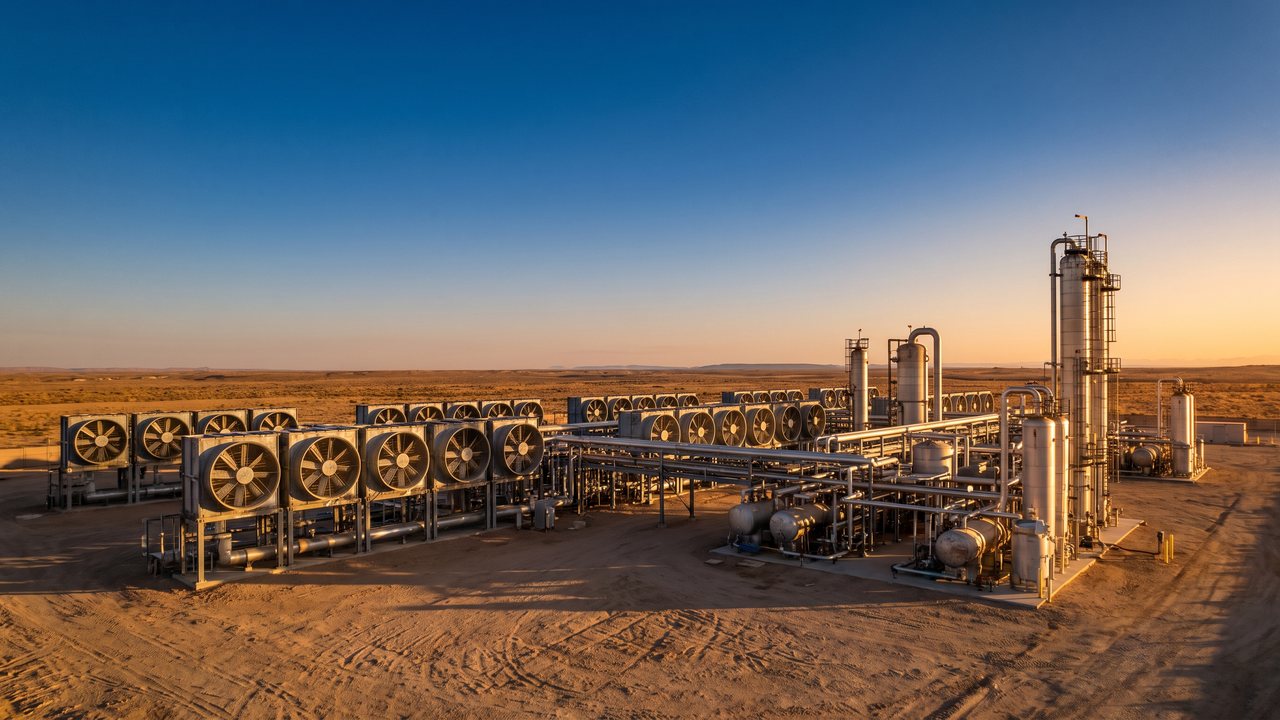
Ammonia synthesis adds nitrogen to hydrogen. Methanol synthesis using CO₂ adds a carbon feedstock. For the ideal reaction CO₂ + 3H₂ → CH₃OH + H₂O, rounded molecular masses imply about 1.375 tonnes of CO₂ and 0.1875 tonnes of hydrogen per tonne of methanol. Actual plant inputs depend on process design and losses.
The earlier statement that each tonne of green hydrogen requires roughly 5.5 tonnes of CO₂ was incorrect.
Five interfaces to examine
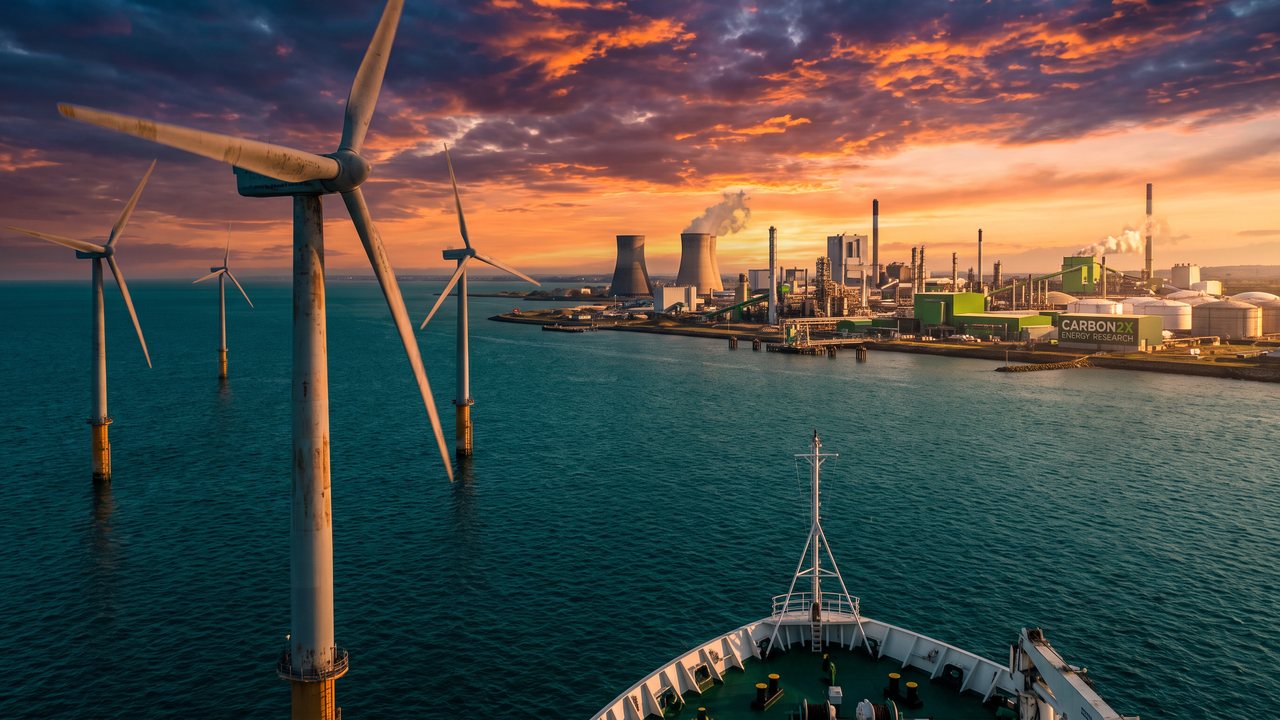
Power to conversion. Compare the actual operating profile, connection design and flexibility arrangements. Grid connection is one option; a directly connected or islanded design needs its own balancing solution. Neither configuration automatically supplies a continuous process at the headline generation cost.
Feedstocks to plant. Specify water quality and availability, nitrogen supply where applicable, and carbon sourcing for carbon-containing products. Do not transfer a regional average water figure directly into a site’s design.
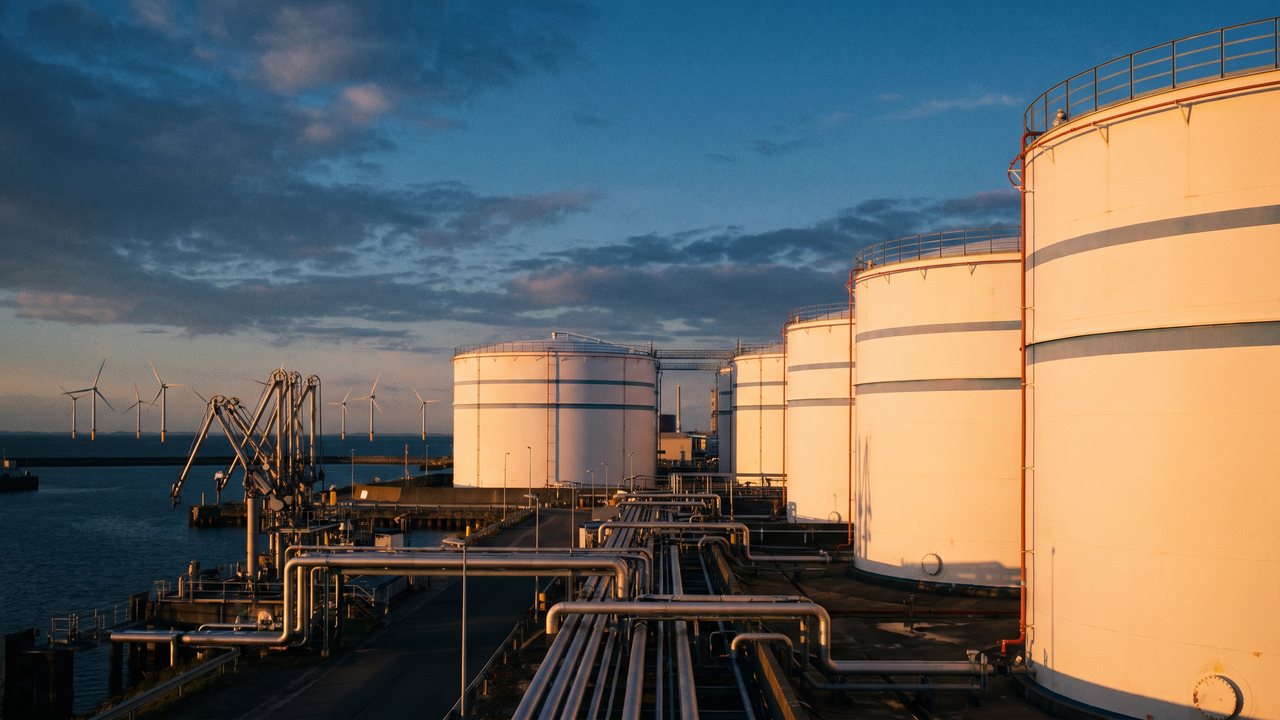
Plant to delivery point. Check storage, transport and loading requirements for the specific product. Existing conventional ammonia infrastructure is not evidence that renewable ammonia is already produced or traded there at scale.
Delivery to buyer. Establish accepted specifications, volumes and delivery windows. A plant may rely on a single substantial offtaker, multiple buyers, an intermediary or internal consumption. Demand aggregation is an option, not a universal requirement.
Buyer to cash flow. Identify how delays, interruptions, rejected material and price changes affect receipts. A technically complete plant can still have an incomplete commercial arrangement.
These are proposed review questions, not a certification of any particular project.
What NEOM demonstrates—and what it does not
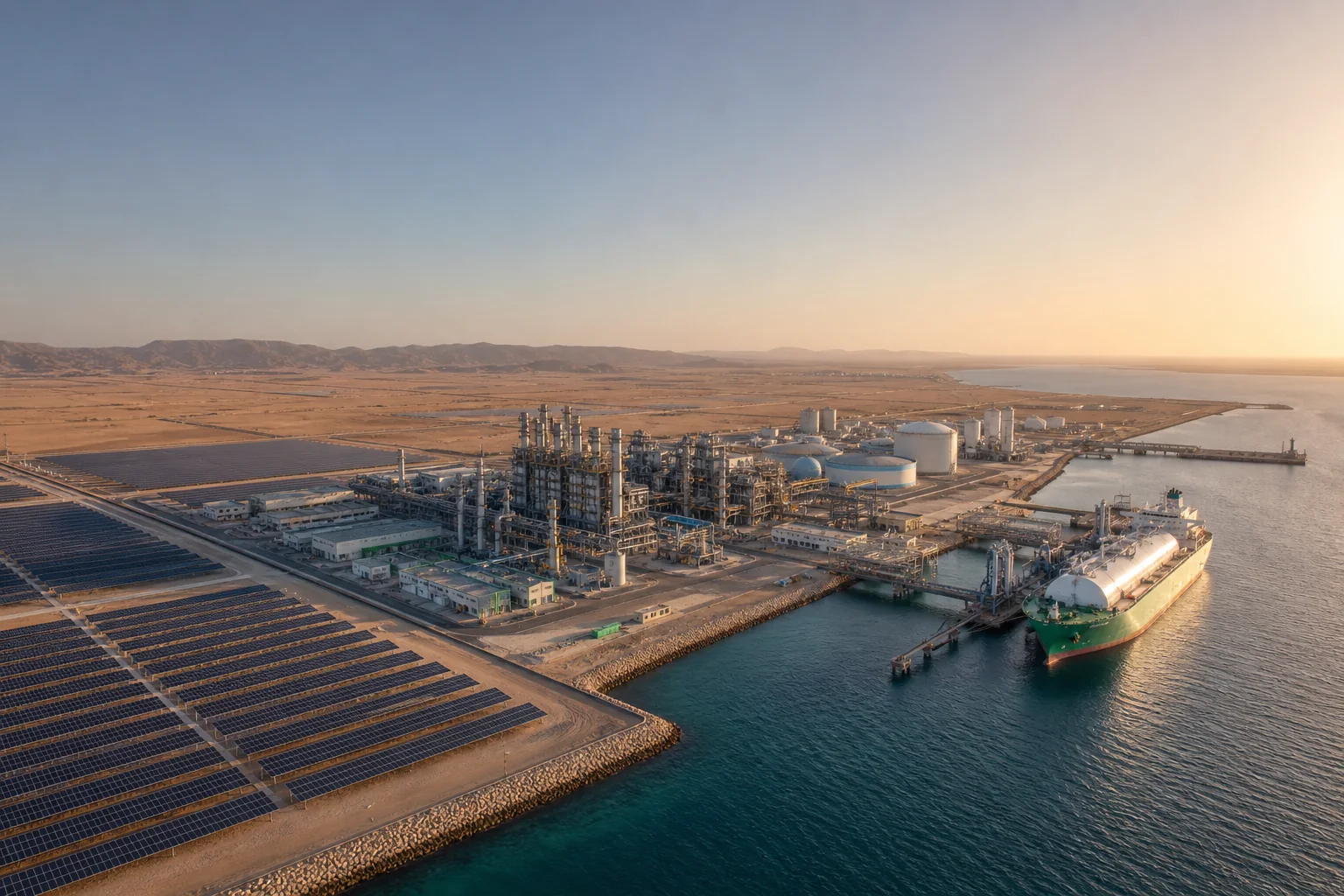
The May 2023 financial-close announcement for NEOM recorded a 30-year agreement for Air Products to take the plant’s green ammonia.3 This is a counterexample to the earlier claim that a single offtaker cannot support a large molecule project.
It illustrates one contractual structure. It does not establish that the same structure, financing or schedule is available to every developer. Distinguish planned capacity, construction progress, commissioning and verified production when describing a live project.
Applying the approach in China and the Middle East
For a Chinese supplier considering a Middle Eastern opportunity, turn the interfaces above into specific questions about its scope and responsibilities. For a developer, ask which assets and permits actually exist and which remain planned.
Geography should be precise: Inner Mongolia is inland and should not have been grouped with “coastal chemical clusters” in the earlier version. Claims about particular Chinese projects need named, dated project evidence.
A useful next step is a one-page interface register: requirement, responsible organization, evidence, uncertainty and the next milestone. That creates a basis for a more detailed technical or commercial discussion.
Read the updated Middle East project analysis →
Sources
IEA (2026), Global Hydrogen Review 2026 — Executive summary. ↩︎
US Department of Energy, Hydrogen Production: Electrolysis. Reaction ratios above are rounded calculations, not whole-plant consumption estimates. ↩︎
ACWA Power, NEOM financial-close announcement, 22 May 2023. Sources checked 14 September 2026. ↩︎